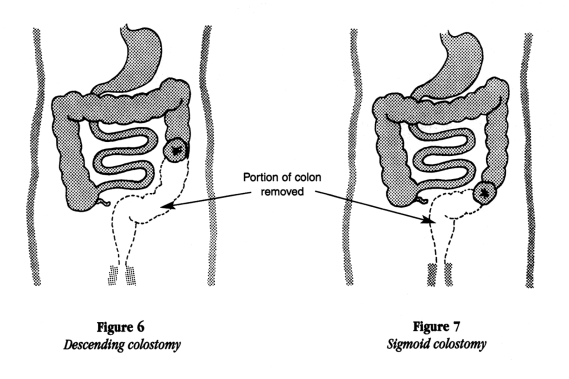
A colostomy is the making of a round pit in the patient’s abdomen in the result of the removal of an infected part of the colon or rectum. When it comes to colostomy, it has a few more types. Colostomy can be loop or end, ascending, descending, sigmoid, and transverse. In this write-up, we shall discuss and cover all the aspects of the loop or end colostomy.
Loop Colostomy
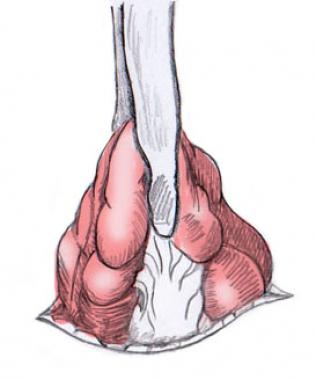
A loop colostomy is the type of colostomy in which doctors bring the entire loop of the colon to the outside of the stoma. They open the proximal limb and distal limb into the same stoma hole. This does not make a transverse section of the large intestine. Moreover, surgeons dissect the proximal end of the colon to create an end or loop colostomy. While they staple the distal end of the large intestine.
People have a misconception regarding loop colostomy. Due to its name, they think that this is a permanent procedure. While the loop colostomy is a temporary stoma. Thus, after the healing of infection or injury, doctors can reverse the procedure. After the reversal of the loop colostomy, an ostomate can excrete the stool through the anus. Moreover, in this surgery, a patient suffers from less intraoperative blood loss. A loop colostomy patient spends less time in the hospital as well. He can discharge from the clinic quickly as compared to other colostomy persons. Furthermore, when it comes to the complications of the operation, there are a few risks involved in the loop colostomy. The procedure is safe and takes less time for healing.
Indication for Loop Colostomy
The following are a few primary indications for the loop colostomy:
- To mitigate the distal obstruction.
- For the treatment of rectal cancer.
- After the performing of distal anatomy, it reroutes the load of feces.
Pre-procedure for Loop Colostomy
In the pre-procedure of the operation, a nurse identifies the accurate location for the stoma. The primary aim of the pre-session of surgery is to mark a precise spot. If your opening is not in the right location, it will create trouble for you. Moreover, it will be a source of extensive morbidity. This will generate distress, trouble, and dissatisfaction; therefore, fabricating the appropriate location is necessary. Well, this is the duty of an ET nurse to find out the right place for the stoma and mark it. The design of the stoma depends on the exactness and accuracy of the marking. This opening should not have a skin crease; moreover, it should be away from the umbilicus and bony prominences.
Furthermore, a patient should not pass out during the marking of the stoma location. A patient has to check the feasibility and facility with the marking site. He should perform his/her normal activities, like sitting and bending. Moreover, a patient can discuss his doubts during the marking and pre-procedure session.
Fabrication of Loop Colostomy
The following are a few approaches surgeons adopt for the designing of the loop colostomy:
- Open-loop colostomy.
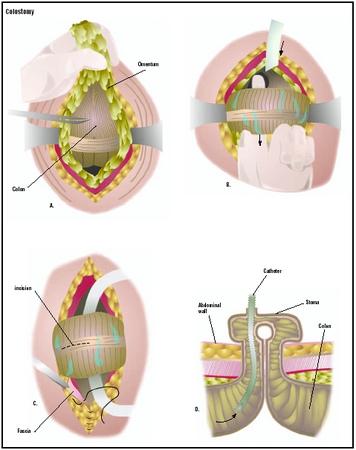
- Laparoscopic loop colostomy.
- Trephine- or colonoscopy-assisted loop colostomy.
However, with the time that approaches and techniques are evolving. Moreover, it depends on the type of disease, what you need, and which procedure will be the right option for your stoma.
Care for the Loop Colostomy
A loop colostomy is temporary; therefore, patients take it lightly. Well, it needs a discardable pouching system. Moreover, the waste material should not allow contact with your abdomen and peristomal skin. In the case of loop stomas, a patient should drink plenty of water and fresh juices. It clears away any kind of blockage in the colon. Moreover, a loop colostomy patient should change the pouching system after every three days. Well, it depends on your hygiene routine too, but do not wear the device for a longer time. Make sure your peristomal is dry and clean all the time. As it is a reversible procedure; therefore, the hole will get closed after the healing of the end colon.
 Ostomies Health