The known cure for ulcerative colitis is not available, but some treatment options aim at eliminating the complications of this life-threatening condition.
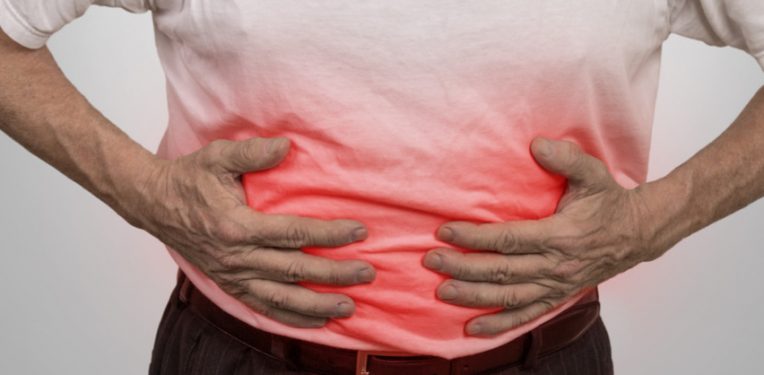
Ulcerative colitis refers to a condition that inflames your colon. This disease can develop at any age, but it mostly appears in the people during their childhoods or twenties.
Reasons for ulcerative colitis
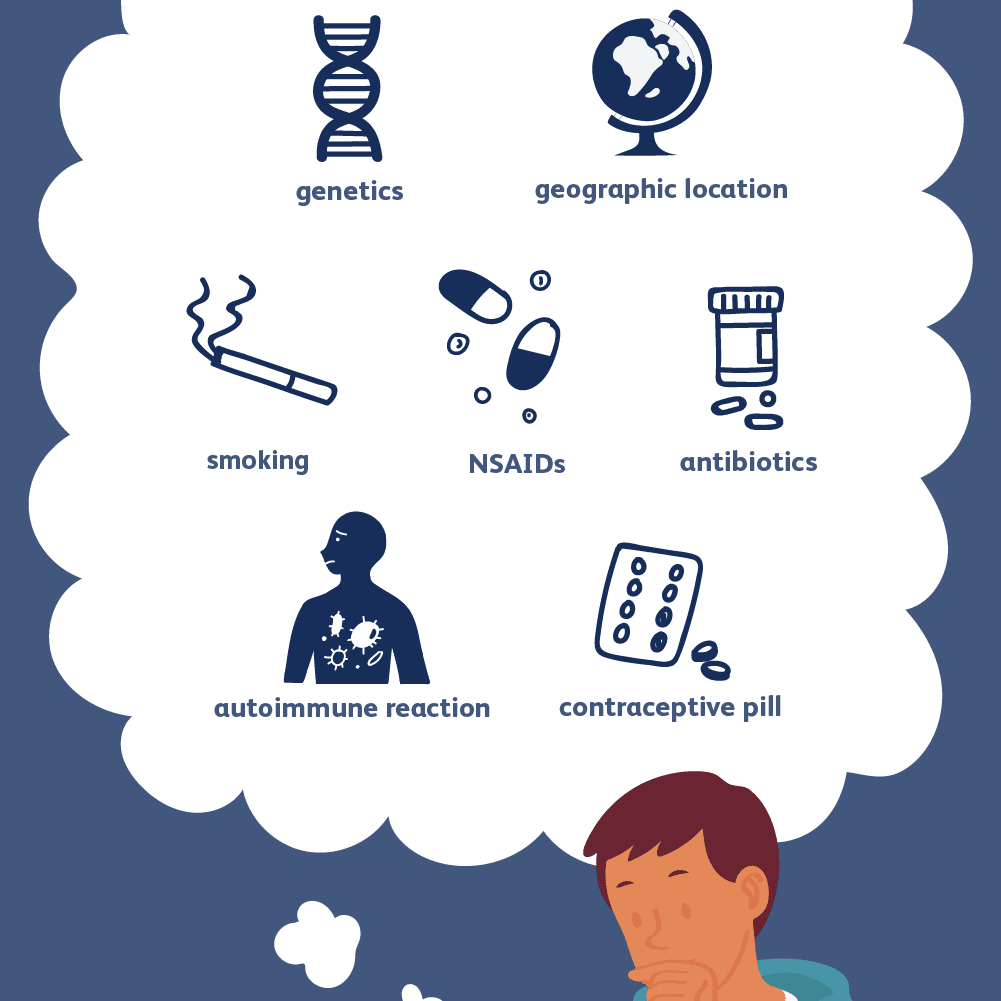
Ulcerative colitis is a common ailment, but there is not much data available regarding its exact reason. A well-known theory suggests that stress and dietary choices may be the reasons behind this condition, but there is no scientific proof confirming it. The most prominent and more logical medical theory suggests that this condition may develop as a result of autoimmune disorder. Other diseases that may develop due to autoimmune disorders include diabetes, lupus, and multiple sclerosis.
Symptoms of ulcerative colitis
The symptoms of UC may vary from mild to severe. The most common symptoms include gastrointestinal pain and bleeding.
One of the most common symptoms of UC is the difficulty having bowel movements. It includes diarrhea that may prompt you to go into the toilet several times a day. If you wake up in the middle of the night due to an urge to go to the toilet, you may be suffering from UC. Other symptoms of UC include stomach pain, blood in the stool, weight loss, and chronic fevers.
Treatments
The treatment options for UC in remission are not quite intensive, so you may be able to live a healthy and active life while using those options. Such treatments do not only help you improve your quality of life, but you may also ensure the effective prevention of long-term and life-threatening complications of UC. Leaving UC untreated can lead to certain severe conditions, including the formation of blood clots, osteoporosis, and colon cancer.
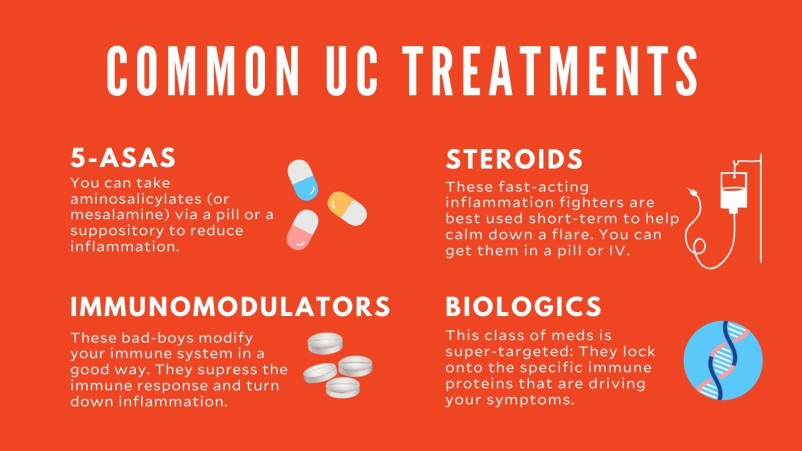
The treatment of UC can be surgical or non-surgical. Non-surgical treatment is suitable for patients who have mild UC symptoms. Sometimes, adjusting diet alone can result in UC going into remission. Many of the UC patients may overcome this condition by reducing the caffeine, quitting alcohol, and limiting the intake of fibers.
If your ulcerative colitis is not subsiding with diet changes, you may need to consult your doctor to ask for other treatment options. The doctor will most likely prescribe you medications to treat your problems. These medications reduce inflammation and reduce the risk of bacterial infection.
Surgery to treat UC
If medication is not working for you, you may ask your doctor to recommend something more advanced to treat your complications. More advanced treatment is most likely a surgical procedure. This surgery generally aims at removing the diseased part of the colon and rerouting the end of the healthy section towards the abdominal wall to create a stoma to pass out the stool. The doctor will remove or rest the disease section of the bowel.
After surgery, you are going to have to wear an ostomy bag over the stoma to manage your stool evacuations. There is an entire set of instructions regarding how to take care of your ostomy.
 Ostomies Health