Author Archives: Edgardo Sawyers

How to Teach your Ostomy Patients About Regaining their Independence?

Being an ET nurse and surgeon, or a normal person, you meet hundreds and thousands of people having a stoma in your daily life. Globally, there are millions of patients who have to go through the ostomy surgery. Being a family member, caregiver, colleague, friend, surgeon, and nurse, you can help them to come out of the stress and challenges they are going through. Ostomates become frightened while going out in the process of managing the ostomy supplies and stoma, but they need support, assistance, and a genuine guideline. This can regain their independence, confidence, and a stress-free lifestyle.

The ostomy patients go through different challenges and adjustments in their life, regarding staying up-t-date with the advanced tools, managing stoma, emergencies, procedures, regular care, meeting people, joining the previous life, coup up with new life, the hunger of independence, and many other things.

The Right Pouching System can Help you in Regaining your Independence

To retrieve your independence, the foremost thing is wearing the right pouching system for the stoma. When a patient wears and buys the wrong size, style, and shape of the pouch for their stoma, it brings distress, low confidence, difficulties in managing healthy stoma, problems in facing the public, challenges in choosing the right clothes, and many other adjustments and problems in following daily activities.
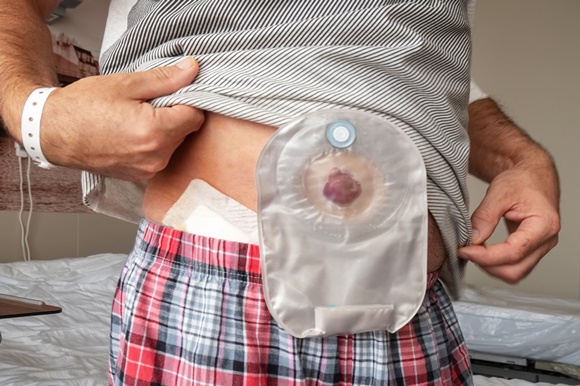
The wrong pouching system generates leakage. When the waste material (urine and stool) comes out of the stoma bag, it touches your peristomal skin and clothes. Therefore, it makes embarrassment, difficulties, and challenges to change it. Especially, when you are in the office or public, and the system cause leakage, it will be the most difficult situation of life. It can damage your dress, pouching system, and the entire day. Therefore, choosing the right size and style of the ostomy pouching system is essential.

The Right Diet for Ostomy Patients

Many ostomy patients think that eating everything can cause leakage or other problems in tackling life and affects their independence. Thus, many ostomates do not want to eat. This generates other diseases and problems in a patient. Moreover, some ostomates think that they cannot eat what they like or wish. Well, both concepts are wrong for living a happy and independent ostomy life.

A patient should not give up on eating; however, he/she adopts a few adjustments in life. Make less intake of gastric food items, such as onion, red beans, eggplant, cauliflower, broccoli, dry fruits, red meat, garlic, and carbonated drinks. Some people face constipation due to meat and processed foods; thus, they must not eat them. Moreover, a few eatables cause loose motion, gas, and odor. Thus, you know your stomach and digestive habit the best, do not eat such things that can cause problems in your ostomy life.

Regain Independence in your Personal and Professional Life

When a person faces the stoma and ostomy surgery, it is natural that he/she will think that the personal and professional life is going to end. But, being a nurse, caretaker, and doctor, you are the one who knows the truth of ostomy and its after-effects. Thus, guide them in spending a free life after the operation.
Make sure that you have taught them all the rules regarding the care and management of the stoma and its supplies. An ostomy patient should know the right ways of going back to the office and following other physical and personal activities. Moreover, prepare your patient to deal with the peristomal challenges. A person must know what to wear while swimming, running, and what to put on in the office. If a stoma patient has all the information, knowledge, and guidelines about the devices, he/she can live a happy and independent life.

Moreover, if a patient needs some emotional and psychological support, you should be the one who works as a mentor and counselor.

Life as a construction worker with colostomy

I am a full-time construction worker for work. About six months ago, I found out I had to get a colostomy as I was having destructive internal digestive issues. My doctor told me the adjustment period should be two to four-month, but it is still an ongoing process for me. My job is not that much more difficult with my ostomy bag, but there are certain things I can not do as quickly as I once did now that I have this pouch over my abdomen. Life with an ostomy bag while being in construction has its hurdles, but it is not impossible.

The adjustment period has taken a while. My doctor told me that it would not be more than four months. I am still adjusting, but I have almost forgotten about it. The few significant adjustments for one was going to the bathroom without having to be in the bathroom. It is an odd feeling like you are doing something illegal in a way. Another adjustment has been food. I can no longer eat my favorite, that being pizza. My doctor told me if I had it again, I may have some dire consequences erupt in my bag. That is not something I want to see or think about, so I am taking his advice and not eating pizza again. 

Working with an ostomy bag in my profession has had its challenges. I can not reach up as high as I once did. Doing anything that requires leaning is also out of the question. Any type of side to side leaning, and I will have a lot of strain in my abdomen area since the bag is there, keeping all that skin in place not letting it flex and move. Surprisingly, I have come to realize that I prefer the jobs where I’m leaning over or crouched down. It is odd because I used to hate those kinds of jobs. Now with my ostomy bag, it is nice to be hunched over and take some of the pressure off. 

Some things that annoy me are the fact that I can not stand fully upright without there being some pressure or pulling in my abdomen area. I also do not like the slight smell I catch from time to time. I have heard about a new bag that had a filter to release the aromas, but all you smell is the filter and the scent that is in it. I am not a fan of emptying my bag, and I do not think I ever will get used to that. It is not very pleasant and usually smells horrid.

As a construction worker with an ostomy bag, life is not much different than it was before. I can still get my work done, sure I may not be as fast as I once was, but it makes me take my time and think everything through. There are still some adjustments I have to make, but in time I will get used to this pouch being there. I am happy to be still alive and well, all things considered. My coworkers support me and my situation, and they all respect the slower speed I work at now. I’m glad to be surrounded by such good people.

Colostomy and Its Stoma

Stoma

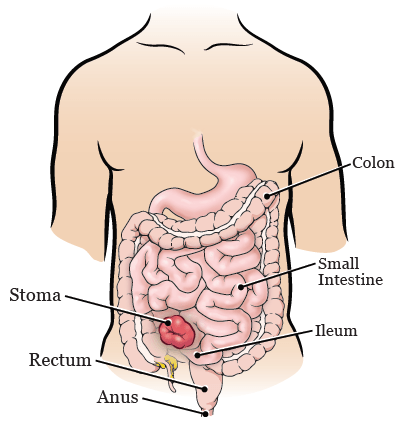
When an artificial passage needs in a human’s body for the excretion of waste, like stool and urine, then surgeons make a round hole in the belly of the patient, called a stoma. The stoma can appear on the lower right or left side of the abdominal wall. The location of the round pit or new discharge organs depends on the disease and type of ostomy. The opening or stoma has a part of the rectum, ileum, or colon. Through these ducts, a person discharges the waste of the body. Doctors remove the infected section of bowel, rectum, large intestine, or small intestine (depends on the disease and infection), and bring the remaining and functional tracks to the stoma for the excretion of feces or urine.

Colostomy

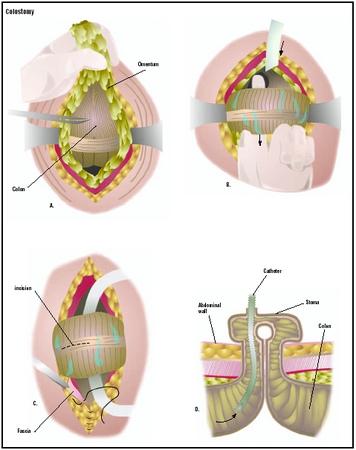
Colostomy refers to the incision of the large intestine or colon. The colon is responsible for the excretion of solid waste of the body, called feces or stool. It picks up the feces or waste from the small intestine or ileum and makes it to leave a human’s body through the anus. Due to some diseases, a patient’s anus does not work or the colon diagnosis with the infection, blockage, injury, mucus, cancer, inflammatory bowel disease, or any other chronic disease, then the patient has to go through the colostomy. In this operation, doctors make an opening or hole in the left side of the abdominal wall. They remove the infected area of bowel, rectum, or colon. They show a new passage of excretion to the remaining part of the colon. After this surgery, a patient discharges the solid stool through the opening or stoma. An anus cannot perform its function after the colostomy surgery.

Moreover, in colostomy, a patient does not excrete liquid stool. However, a colostomy patient can feel the bowel movement after the surgery. The colostomy is permanent in the cases of permanent removal of the colon or rectum. But, in a few minor infections and diseases, you need a temporary colostomy. After the healing of the colon, rectum, or bowel, surgeons reverse the passage of the colon. After the reversal, a patient can discharge the feces through the anus.

Pouching System for Colostomy Patients

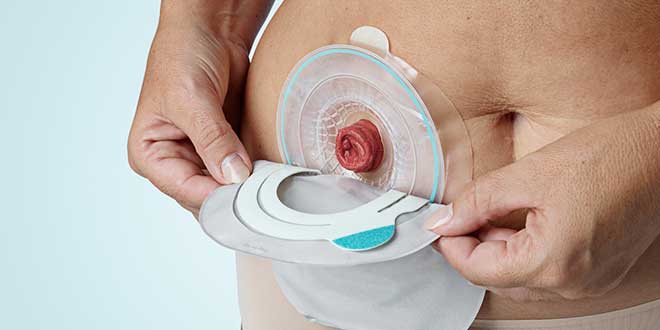
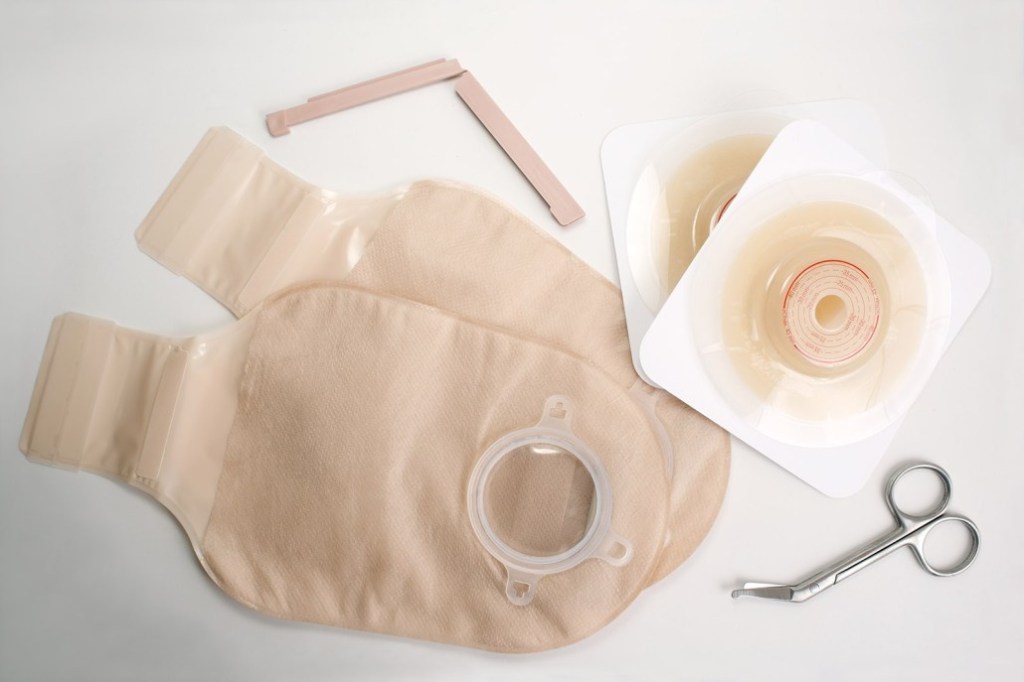
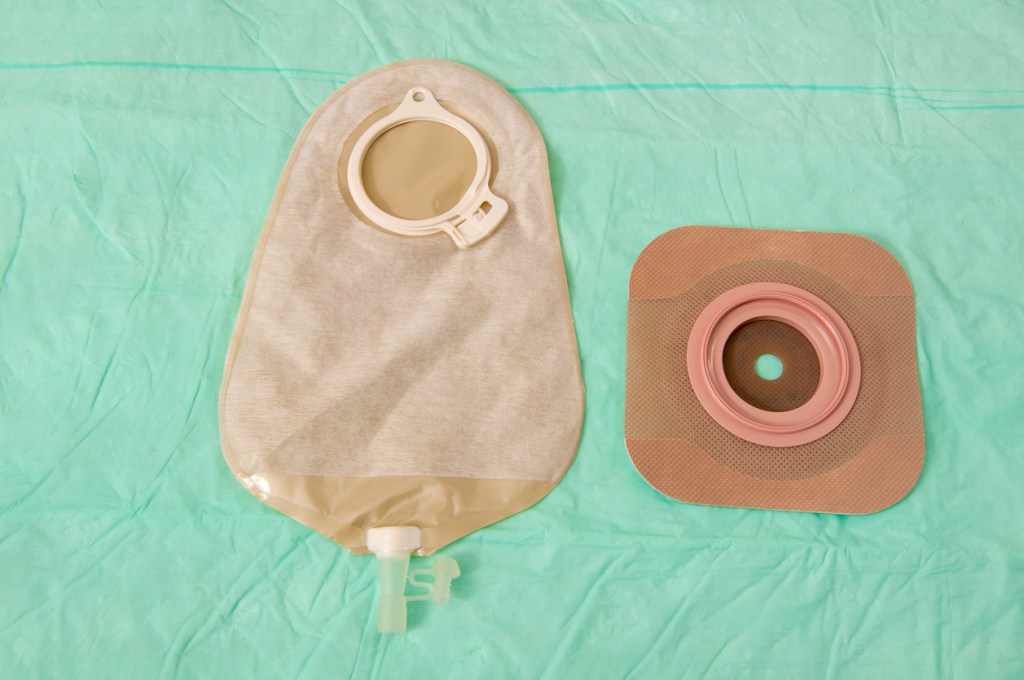
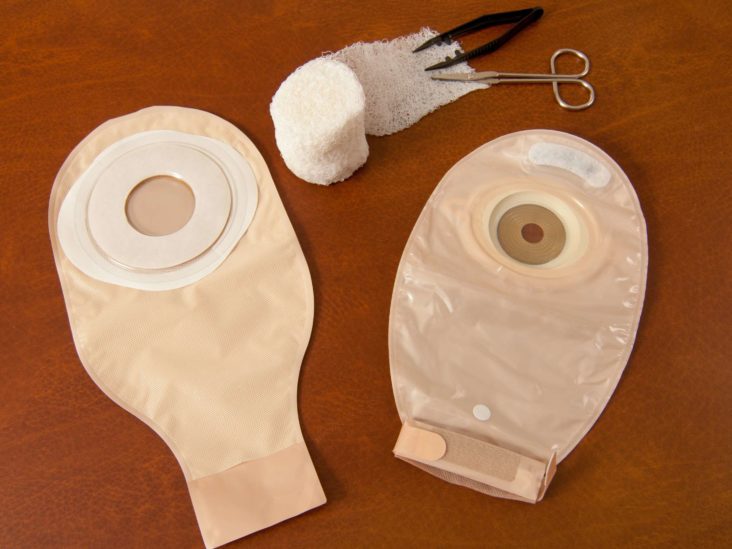
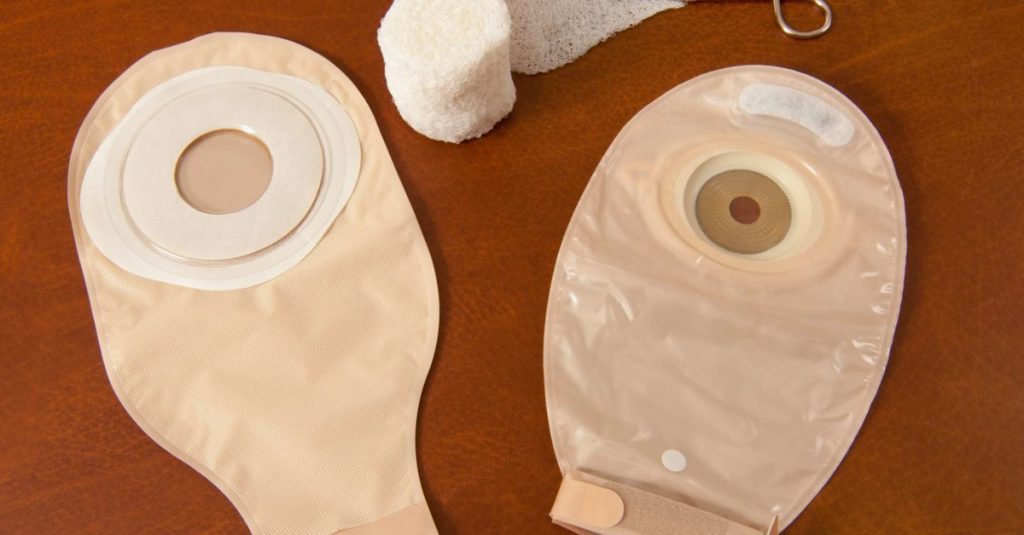
After getting a new organ in your abdomen, you will need a few new things for it. When there is a stoma in your belly wall, you cannot leave it open and let the feces come out and touch your body and dress. Thus, you require a bag to cover the opening and collect the feces. This is something you cannot get rid of. The pouching system will be the necessity of your life. A bag or pouch that will cover the opening and collect the stool, called a stoma or ostomy pouch. It will also need some other devices; thus, a colostomy patient will want an entire system, called an ostomy pouching system. The tools include; a bag, skin barrier, flanges, adhesive, adhesive remover, and wipes. The bag or stoma sack will collect the solid waste, you will have to empty your bag when you feel the bowel movement.

As the colostomy discharges solid stool; thus, you do not require a drainable pouch. Your stoma will discharge the feces once a day. Therefore, you can empty the content, wash your pouch, clean the stoma and peristomal skin, and wear it again. Moreover, you have an option of a discardable pouching system. These are the bags you do not have to wash and wear them again. After the excretion, you can discard them in the toilet. Use medicated wipes to clean the skin and open and wear a new stoma bag.

What is Loop Colostomy?

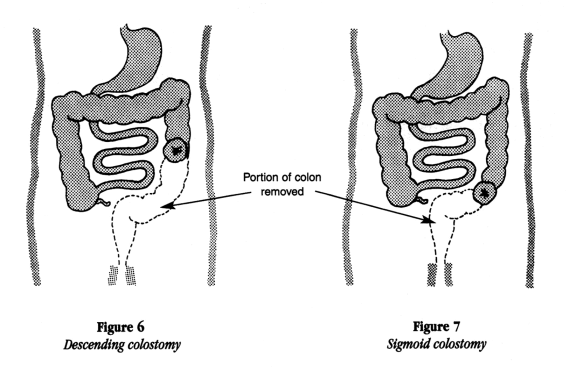
A colostomy is the making of a round pit in the patient’s abdomen in the result of the removal of an infected part of the colon or rectum. When it comes to colostomy, it has a few more types. Colostomy can be loop or end, ascending, descending, sigmoid, and transverse. In this write-up, we shall discuss and cover all the aspects of the loop or end colostomy.

Loop Colostomy

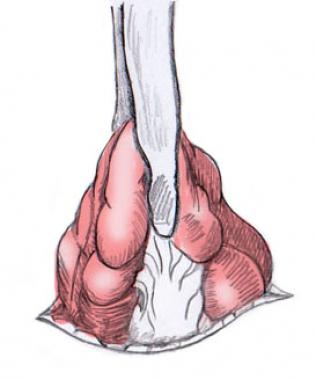
A loop colostomy is the type of colostomy in which doctors bring the entire loop of the colon to the outside of the stoma. They open the proximal limb and distal limb into the same stoma hole. This does not make a transverse section of the large intestine. Moreover, surgeons dissect the proximal end of the colon to create an end or loop colostomy. While they staple the distal end of the large intestine.

People have a misconception regarding loop colostomy. Due to its name, they think that this is a permanent procedure. While the loop colostomy is a temporary stoma. Thus, after the healing of infection or injury, doctors can reverse the procedure. After the reversal of the loop colostomy, an ostomate can excrete the stool through the anus. Moreover, in this surgery, a patient suffers from less intraoperative blood loss. A loop colostomy patient spends less time in the hospital as well. He can discharge from the clinic quickly as compared to other colostomy persons. Furthermore, when it comes to the complications of the operation, there are a few risks involved in the loop colostomy. The procedure is safe and takes less time for healing.

Indication for Loop Colostomy

The following are a few primary indications for the loop colostomy:

  1. To mitigate the distal obstruction.
  2. For the treatment of rectal cancer.
  3. After the performing of distal anatomy, it reroutes the load of feces.

Pre-procedure for Loop Colostomy

In the pre-procedure of the operation, a nurse identifies the accurate location for the stoma. The primary aim of the pre-session of surgery is to mark a precise spot. If your opening is not in the right location, it will create trouble for you. Moreover, it will be a source of extensive morbidity. This will generate distress, trouble, and dissatisfaction; therefore, fabricating the appropriate location is necessary. Well, this is the duty of an ET nurse to find out the right place for the stoma and mark it. The design of the stoma depends on the exactness and accuracy of the marking. This opening should not have a skin crease; moreover, it should be away from the umbilicus and bony prominences.

Furthermore, a patient should not pass out during the marking of the stoma location. A patient has to check the feasibility and facility with the marking site. He should perform his/her normal activities, like sitting and bending. Moreover, a patient can discuss his doubts during the marking and pre-procedure session.

Fabrication of Loop Colostomy

The following are a few approaches surgeons adopt for the designing of the loop colostomy:

  1. Open-loop colostomy.
  2. Laparoscopic loop colostomy.
  3. Trephine- or colonoscopy-assisted loop colostomy.

However, with the time that approaches and techniques are evolving. Moreover, it depends on the type of disease, what you need, and which procedure will be the right option for your stoma.

Care for the Loop Colostomy

A loop colostomy is temporary; therefore, patients take it lightly. Well, it needs a discardable pouching system. Moreover, the waste material should not allow contact with your abdomen and peristomal skin. In the case of loop stomas, a patient should drink plenty of water and fresh juices. It clears away any kind of blockage in the colon. Moreover, a loop colostomy patient should change the pouching system after every three days. Well, it depends on your hygiene routine too, but do not wear the device for a longer time. Make sure your peristomal is dry and clean all the time. As it is a reversible procedure; therefore, the hole will get closed after the healing of the end colon. 

How Long Does It Take To Recover From An Ileostomy

Having an ileostomy doesn’t mean that you are going to have to alter your lifestyle drastically. You will regain your ability to live to the fullest by the time you recover from ileostomy surgery.

The doctor will decide to give you an ileostomy when your colon gets damaged due to cancer or an inflammatory disorder. Such conditions hamper the natural function of the colon, leading the patient to require an ileostomy.

The surgical process

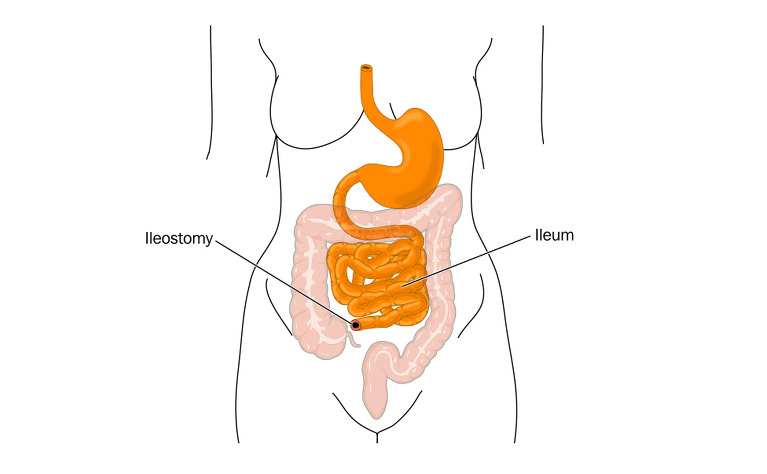
During ileostomy surgery, the surgeon will separate the small intestine from the colon and pull the end of the small intestine through a cut on the belly. The wastes will leave your body through this end, which is also known as the stoma. A stoma doesn’t have any sphincter muscles, meaning that you will no longer retain control over when you evacuate your bodily wastes. It necessitates wearing an ostomy bag the entire time.

Alternatively, your surgeon may create an internal pouch by folding the end of the small intestine into itself. This pouch or reservoir is connected to the anus to allow the patient to regain control over stool evacuations. This procedure essentially eliminates the need to wear an external pouch. The surgeon will create this reservoir if your anal tissues are still intact.

If you are to undergo an ileostomy operation, you will need to stay in the hospital for 3-10 days. You will need to get hospitalized the night before surgery and remain hospitalized after surgery until your initial recovery phase is over. During this time, the surgical staff will monitor how well you are doing with recovery. An ostomy care nurse will visit your room to teach you the basics of ostomy care. He or she will also run you through the process of ostomy pouch change, which is an essential part of the ostomy care regimen.

What to expect after surgery

Full recovery after surgery takes 6-8 months. The lifestyle changes during this recovery phase will be drastic, but you may become more lenient once you are fully recovered. You may wonder what your life will be like with an ileostomy. Here are the answers to some frequently asked questions.

What to eat

You will not be able to eat high-fiber foods right after surgery. During the initial recovery phase, you may have to stick to fluids. At home, you may add some pasty foods to your diet. The general rule of thumb is to avoid the intake of more fibers until your body adapts to a shortened bowel. Once you are recovered, you can eat pretty much everything you have been eating before surgery. You may have to make some changes regarding the amount and time of food intake, though.

Physical activity

The doctor may suggest you avoid strenuous exercises during the recovery period. Even after the recovery phase is over, you will need to ask your doctor when you can lift heavy objects.

Caring for the pouching system

The most essential part of the ostomy care regimen is to care for your pouching system. Make sure that you are using the ostomy pouch that is right for your stoma and the skin around it. The type of waste you pass out also determines the type of ostomy pouch you will need to wear. Be sure to discuss everything with your doctor or ostomy care nurse.

Feeling Good With Your Stoma

Safety may be the top hierarchy for how we judge our lives.  It matters the most and it really shows when you find yourself with some kind of injury or even an ostomy.  I like to be so secure in my life that I am not worried about it. But how does this really happen? That is because there is so much confidence in those items.  We never think about it because we feel comfortable with them.  That is the exact feeling that I think anyone with a stoma should have when it comes to their gear.  It should be so good and they should have so much confidence in it that they don’t even think about it.  That is my personal opinion and the opinion of many people and companies out there.  Confidence is key to being happy with your stoma, and I want to talk a bit about that today.

The information helps build confidence and when you go to the hospital it is the first place it starts. Hopefully, you had an amazing ostomy nurse and hospital staff and they gave you great knowledge on the subject.  The learning curve for learning about how to live with your stoma is steep.  But that is a good thing because the curve is steep and then goes down from there.  But I think it’s important to keep learning and to search for the best products for each task.  So learn all you can from them and take all that knowledge and put it to good use.  Ostomy gear can be learned about from a lot of different places so lets get onto the next.

To me my start of confidence really started at the pharmacy which was a great place to be. This was because I got into a conversation with the pharmacist about ostomy gear.  I was terrified and ashamed on the inside, but the pharmacist made me feel comfortable and was there truly to help me.  I was given lots of tips and he took me through his whole section and why he kept ordering the products that he did.  The feedback he had from his customers over the years led him to have a vast assortment of ostomy bags, seals, and sanitary supplies.  I learned a whole lot and his next suggestion was to call major manufacturers and learn about the really important details that mattered to me.

Going right to the source was key.  There are many online that sell ostomy products and they seem larger than life.  I am an outdoor person and certainly like to do active things.  By talking to a few customer service people at these companies I found a vast amount of knowledge.  They have helped people, run races, hike, and climb mountains.  It was a crazy and awesome experience to hear about what other people used and why they made the gear the way they made it for those purposes. It was a great experience. 

Now the internet and social media are in some ways really helpful.  I find that there are a lot of places to go and people to follow that can give cool ideas and ways to deal with their stoma. With any luck you picked up some tips to helping you on your journey.